Engines for Sale South Africa with Affordable Replacement Options
Engines for Sale: Explore Superior Parts for Your Motor Vehicle
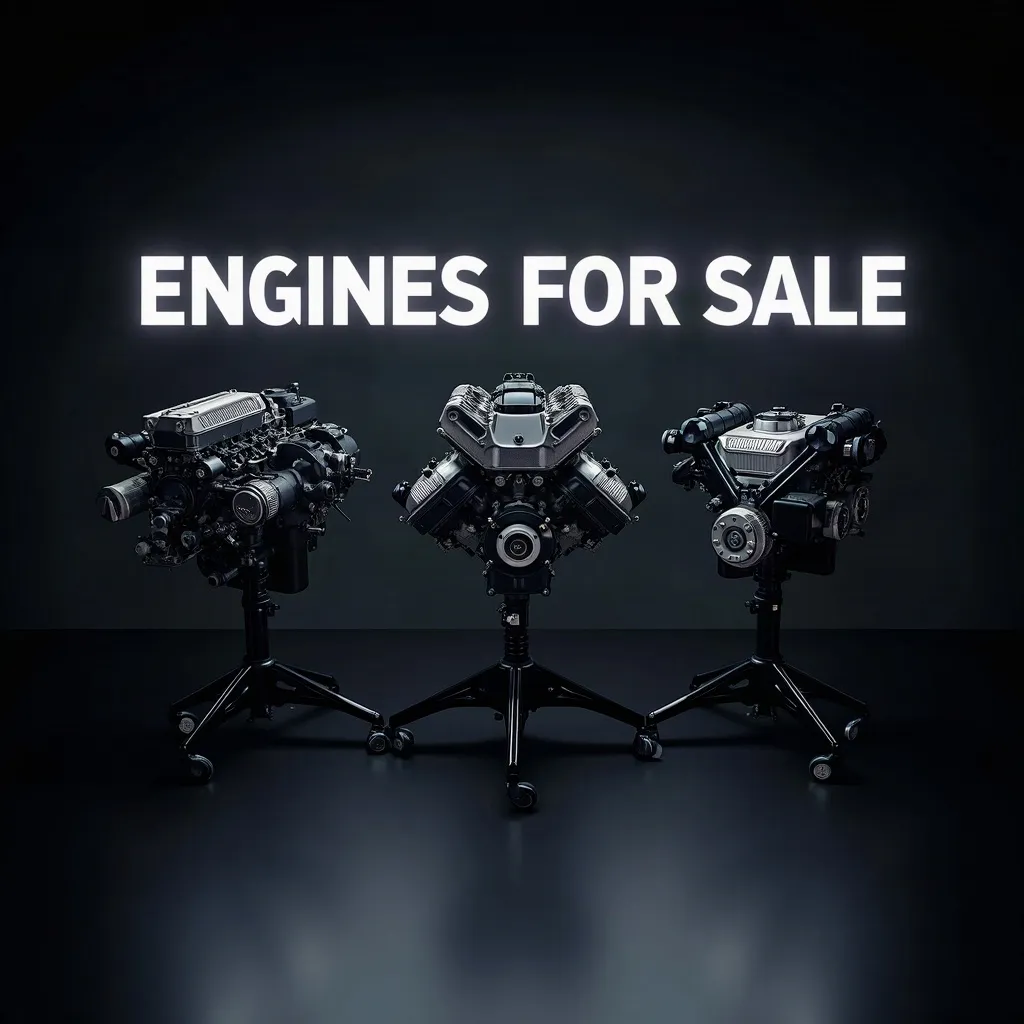
When researching engines for sale, vehicle proprietors must prioritize performance and compatibility. Multiple internet platforms display extensive catalogs, but careful buyers need to meticulously examine each alternative. Considerations involving engine type, condition, and seller reputation play essential roles in the purchasing decision. With numerous options at your disposal, mastering the complexities of engine specifications and warranties remains essential. What must shoppers reflect upon before making a commitment?
Recognizing Your Engine Type and Requirements
How can one determine the appropriate engine type and specifications for their specific needs? The first step is figuring out the vehicle's make, model, and year, as these factors dictate compatibility. After that, the assessment of intended use is essential; for example, heavy towing or off-road driving might need a more potent engine. Fuel efficiency preferences also matter, since various engine types, such as gasoline or diesel, provide different performance and economy.
Additionally, understanding engine specifications and power metrics can inform the decision, making certain the engine meets performance expectations. Analyzing professional guidelines and speaking with professionals can additionally clarify options. Finally, budget considerations, including purchase and installation costs, must be taken into consideration. By reviewing these components, one can make an informed decision that aligns with both their vehicle requirements and unique driving habits.
Top-tier Digital Marketplaces for Offering Engines
When looking for engines on the internet, various popular retailers and specialty parts marketplaces offer a wide selection to meet varied needs. These platforms provide customers with access to both new and restored options, appealing to different price points and tastes. Understanding the advantages of each marketplace can assist in forming an well-researched buying choice.
Top Engine Sellers Online
The quest for quality engines has been greatly simplified by the growth of digital retailers. Among the most popular retailers are eBay Motors and Car-Part.com, which provide a wide selection of pre-owned and brand new engines from different manufacturers. These platforms provide detailed listings, featuring compatibility information and customer reviews, ensuring buyers make informed decisions. Additionally, Amazon has entered the automotive sector, offering engines alongside parts and accessories, drawing a wider audience. RockAuto is another notable option, focusing in hard-to-find engines and parts. These online retailers not only enhance accessibility but also foster reasonable pricing, allowing it easier for consumers to locate the right engine for their vehicle needs without the hassle of traditional shopping.
Specialty Parts Platforms
Several specialty parts marketplaces serve engine buyers seeking unique or exclusive options. These platforms, such as eBay Motors and Car-Part.com, feature extensive inventories that often include vintage vintage engines and specialized performance parts. Users use detailed listings that include specifications and condition view information about reports to make informed decisions. Moreover, platforms such as Summit Racing and JEGS concentrate high-performance engines and aftermarket parts, appealing to racers and enthusiasts. These platforms regularly include user reviews and ratings, which strengthen trustworthiness and allow buyers to evaluate seller reliability. By leveraging these specialty platforms, consumers can access a broader range of engine options, ensuring they find the perfect match for their vehicle's needs.
Determining Engine Quality: Key Factors to Take Into Account
Assessing engine quality is crucial for ensuring peak performance and longevity in any automobile. Multiple important elements should be considered during this evaluation process. First, the engine's history is critical; understanding whether it has been rebuilt or has sustained any harm can provide insights into its dependability. Second, mileage plays a significant role; reduced miles often indicates less wear, though it's not the sole determinant of quality.
Third, the state of the engine components should be assessed, such as the block, pistons, and valves, as these parts are critical to engine operation. Additionally, examining service history can demonstrate how well the engine has been cared for over time. Finally, the reputation of the manufacturer or seller should not be overlooked, as trusted brands typically offer better quality control. Collectively, these factors contribute to an informed decision when choosing an engine.
Engine Specs Decoded: What You Must Learn
Comprehending engine specifications is essential for making sound purchasing decisions. Key factors consist of the engine type, which affects performance and suitability, along with displacement and power output, which directly affect the vehicle's capabilities. Moreover, fuel efficiency holds a key role in long-term cost considerations, making it vital to assess these aspects thoroughly.
Engine Type Importance
When determining an engine, the type of engine is fundamental in determining performance, efficiency, and compatibility with specific vehicles. Different engine types, such as inline, V-type, and rotary, each present unique characteristics that affect driving dynamics. Inline engines are often celebrated for their simplicity and compact design, while V-type engines typically generate more power and smoothness. Rotary engines, though less common, are known for their lightweight and high-revving nature. Comprehending these distinctions allows consumers to select wisely that correspond to their driving needs. Additionally, engine type influences fuel economy, emissions, and maintenance requirements, making it essential for buyers to review these factors when searching for an engine that fits their vehicle specifications and performance expectations.
Cylinder Displacement and Power Output
Displacement and power output are fundamental components in engine specifications that directly affect a vehicle's functionality. Displacement, measured in liters or cubic centimeters, defines the total volume of the engine's cylinders altogether. Typically, a bigger displacement permits increased air and fuel intake, resulting in greater power output. Power output, frequently expressed in horsepower or kilowatts, assesses the engine's capability to do work. It shows how fast a vehicle can accelerate and maintain speed. Together, these metrics provide helpful insights into an engine's capabilities, aiding consumers in making informed decisions when choosing engine options. Understanding these specifications is crucial for evaluating potential performance, confirming that the chosen engine meets the driver’s needs and expectations.
Gasoline Efficiency Matters
While speed and capability often lead engine discussions, fuel efficiency plays a vital function in the overall value of an engine. Consumers increasingly prefer engines that offer better miles per gallon (MPG) ratings, as these lead to lower operating costs and reduced environmental impact. Factors influencing fuel efficiency consist of engine design, weight, and the type of fuel used. Turbocharged engines, for instance, can deliver impressive power while maintaining good fuel economy. Additionally, advancements in technology, such as fuel injection systems and hybrid configurations, improve efficiency. Consumers should examine not only the engine's power output but also how it corresponds with their fuel efficiency goals, ensuring a balanced choice that fits both performance needs and budget constraints.
Acquiring Reconditioned Engines: Critical Tips
Buying a used engine can be a challenging task, especially for those unfamiliar with the complexities involved. It is important to perform detailed research before making a decision. Buyers should start by locating reliable sellers, whether through online platforms or local salvage yards. Reading reviews and testimonials can provide useful insights into the seller's reliability.
Next, obtaining the engine’s past records is important. This entails mileage, previous repairs, and any listed defects. A inspection in person can uncover wear signs, such as leakages or rust, and it is smart to request a compression test to assess the engine's performance. Additionally, checking compatibility with the vehicle model provides a more straightforward installation process.
Finally, customers should be ready to negotiate the price, bearing in mind the engine's condition and market value. By following these tips, consumers can make informed choices and increase their chances of a successful purchase.
Protection and Return Rules: What Is Important to Recognize?
Acquiring a used engine requires understanding return procedures and warranty policies. A thorough warranty often demonstrates the seller's confidence in the engine's dependability. Customers should review the warranty conditions thoroughly, noting the duration and protection specifics, such as parts and labor. Certain warranties may protect only specific issues, whereas others offer broader protection.
Return procedures also play an important role. Customers need to ask if refunds are permitted, the window for refunds, and any restocking fees. Frequently, a vendor may require the engine to be in pristine state for a return to be valid.
It is advisable for consumers to note the engine's condition upon procurement, as this can facilitate any warranty claims or returns if issues arise. Ultimately, understanding these policies can safeguard the buyer's investment and furnish peace of mind in the buying experience.
Engine Care: Advice for Long-Term Performance
Proper care is critical for maximizing the durability of any motor. Regular oil changes are vital, as fresh oil reduces friction and keeps components properly lubricated. It is recommended to check the oil level monthly and replace it based on the producer's recommendations. Additionally, monitoring coolant levels helps prevent overheating, while confirming that belts and hoses are in proper condition can avert expensive repairs.
Air filters require regular inspection; a clean filter enables efficient air intake, enhancing engine performance. Tire maintenance, including proper inflation and rotation, also benefits overall vehicle health.
In summary, following a regular maintenance schedule and tackling any warning lights immediately can prevent minor problems from worsening. By implementing these methods, vehicle owners can confirm their engines run efficiently and extend their durability substantially.
Routinely Asked Questions
What Approaches Can I Utilize to Assess the Seller's Credibility Before Purchasing an Motor?
To substantiate a seller's reputation, one needs to examine online reviews, look at ratings on reputable platforms, discover endorsements from dependable references, and check on warranties or return policies to establish assurance in the purchase.
What Are Common Signs of Motor Deterioration or Damage?
Standard signs of engine wear or damage comprise strange sounds, excessive smoke, fluid seepage, poor performance, and alert indicators on the dashboard. These indicators indicate potential issues demanding further inspection or expert assessment.
Can I Install a New Engine By myself, or Ought I to Retain a Professional?
Figuring out whether to affix a new engine independently or hire a professional copyrights on experience and apparatus. While proficient people could succeed, most ought to weigh expert support to certify proper installation and elude conceivable troubles.
What Instruments Do I Require for Engine Installation?
Motor installation requires vital equipment such as a socket set, wrenches, screwdrivers, an engine hoist, a torque wrench, and an oil filter wrench. Protective gear, like gloves and goggles, is also advised to guarantee a safe process.
How Do I Properly Dispose of My Old Engine?
To dispose of an old engine properly, one should get in touch with local waste management facilities or scrap yards. Many facilities accept engines for recycling, ensuring environmentally responsible disposal while possibly providing monetary compensation for the scrap metal.